

The soprano recorder is the classic beginner's instrument – almost everyone played their first notes on one. To progress, you sooner or later reach the alto recorder. It sounds deeper, fuller and more mature, it opens up the great Baroque repertoire and it is the standard voice in nearly every recorder ensemble.
This article explains what sets the alto recorder apart from the soprano, why the switch is worthwhile, what the new fingering means and whether a plastic or a wooden instrument is right for you.

robust, affordable, low-maintenance
Ideal for: Players making the switch, students, ensemble second flute and anyone wanting a simple instrument
See all Altblockflöten →warm, nuanced tone
Ideal for: Advanced players who want to get the full sound out of their alto recorder
See all Altblockflöten →01From soprano to alto: what changes
The soprano recorder is tuned in C, the alto recorder in F – so it sits a fifth lower. That makes the tone fuller and more carrying straight away, less shrill than the high soprano register. The alto recorder is also a little larger, which challenges the thumb and hand at first but quickly becomes natural.
Three reasons drive the switch: the ensemble (the alto is its central middle voice), the Baroque repertoire (most of the solo literature from Telemann to Handel is written for alto recorder) and simply the more mature sound many players seek after years on the soprano.
02The new fingering: the key of F instead of C
The biggest difference when switching is the fingering. On the soprano recorder in C, the basic fingering produces a C; on the alto recorder in F, an F. The fingering patterns stay the same, they just sound at a different pitch – if you can play the soprano, you transfer the movements but have to get used to the new note assignment. That is a matter of practice and becomes routine within a few weeks.
Separate from that is the question of baroque versus German fingering. German fingering was designed for easy beginner tunes but reaches its limits on semitones and in ensemble playing. For the alto recorder we clearly recommend baroque fingering: it is cleaner on the chromatic notes, it is the standard in music schools and the Baroque repertoire – and all high-quality alto recorders are only made with baroque fingering anyway.
03Plastic or wood – the right material
Plastic alto recorders are robust, tuning-stable and low-maintenance: no playing-in, no sensitivity to moisture, an affordable start. Yamaha's models are the benchmark here – reliably made and ideal as a first alto recorder or as a fuss-free second flute for the ensemble.
Wooden alto recorders sound warmer, rounder and more nuanced, and respond more finely to your playing. They need to be played in and cared for, but reward this with a tone plastic cannot reach. Brands such as Mollenhauer, Moeck and Küng stand for this quality. A wooden flute is worthwhile if you play regularly and want to get the full sound out of your alto recorder.


| Plastic | Wood | |
|---|---|---|
| Tone | clear, direct, more neutral | warm, full, nuanced |
| Care | low-maintenance, no playing-in | play in, protect from moisture |
| Robustness | very robust, tuning-stable | more delicate, durable if cared for |
| Price | affordable entry | higher |
| Ideal for | switchers, students, second flute | advanced, tone-conscious players |
04Which step suits whom
If you are switching from the soprano recorder or a child needs an alto recorder for lessons, a plastic flute in baroque fingering is the pragmatic start – affordable, robust and playable right away. It also makes a relaxed second flute for the ensemble.
If you already play confidently, practise regularly and are getting into the Baroque repertoire, reach for a wooden alto recorder. The fuller sound and finer response make the difference here. In our Altblockflöten you will find both worlds – from the robust Yamaha entry model to the handcrafted wooden flutes by Mollenhauer, Moeck and Küng.
Moving to the alto recorder is the natural next step after the soprano: a deeper tone, the great Baroque repertoire and the middle voice of the ensemble. Look for baroque fingering and choose the material to match your level – plastic to make the switch, wood when sound takes centre stage.
Frequently asked questions
What is the difference between a soprano and an alto recorder?
Which fingering is right for the alto recorder?
Do I have to relearn the fingerings completely?
Plastic or wood – which should I buy?
Which brands suit the alto recorder?
Find your alto recorder
From the robust Yamaha entry model to the wooden flutes by Mollenhauer, Moeck and Küng – discover the right instrument for the next step.
All alto recordersView the Yamaha YRA-302BIIIPassende Produkte

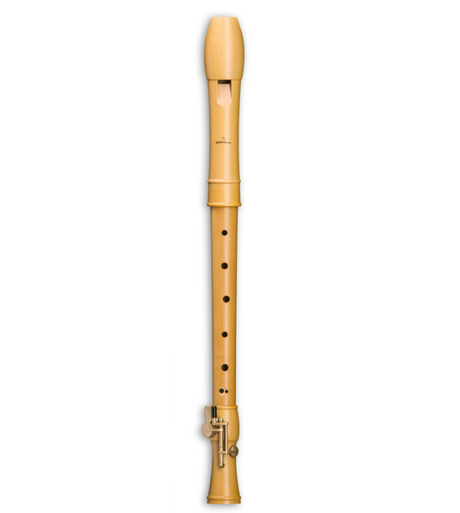
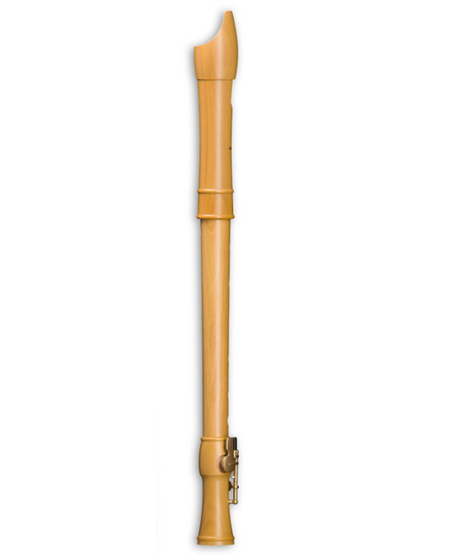

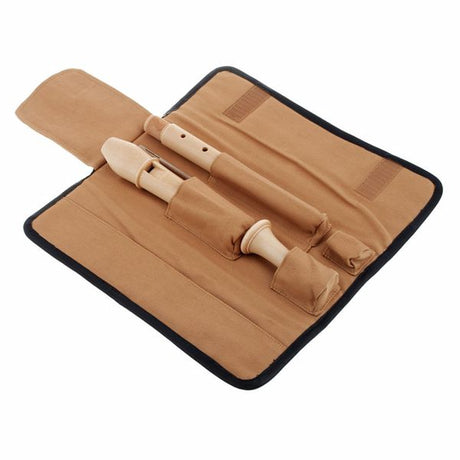
Küng Studio 1402 Alto Recorder – maple, baroque fingering with wide bore (442 Hz, matte-lacquered)