The kalimba is one of the few instruments where you can play a song almost right away, without first learning to read music. The reason lies in kalimba sheet music: instead of traditional notation, it uses number or letter tablature that shows directly which tine to pluck.
In this guide we explain how kalimba sheet music is built, how to read the numbers, how to approach your first songs and which songbooks suit beginners of any age.
01Why kalimba sheet music differs from traditional notation
Learning traditional five-line notation takes weeks, and that hurdle simply disappears with the kalimba. Kalimba sheet music uses its own tablature (tab for short), built around the instrument itself rather than an abstract notation system.
The principle: every tine on your kalimba gets a fixed number. The sheet music gives you only these numbers, read from bottom to top. So you never decipher pitches, you just find the right tine, which lowers the entry barrier dramatically and is why children and adults alike often play a recognisable song on the very first day.
02How to read number tablature
Most songbooks for the standard kalimba use numbers, some add letters (C, D, E …). Both mean the same thing: a specific tine.
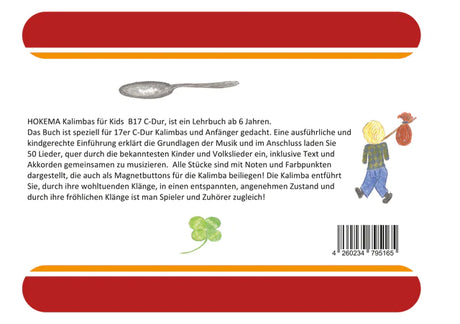
The core idea is tine numbering. On the 17-key C major kalimba, the central, longest tine is number 1 (the low C). From there the notes zigzag outward, alternating right and left, the typical kalimba layout where the high notes sit on the edges. In the sheet music, one column stands for each tine, exactly where that tine sits on the instrument. You read from bottom to top: numbers stacked vertically are played in sequence, numbers above one another are played together (a chord). Many books also include numbered stickers for the tines so matching is effortless at the start.
03The 17-key C major kalimba as the standard
Almost all beginner songbooks are written for the 17-key C major kalimba, the de facto standard. C major means the tuning has no sharps or flats, you play on the "white keys". Simple melodies sound right immediately, and the tablature in the books applies without any conversion.
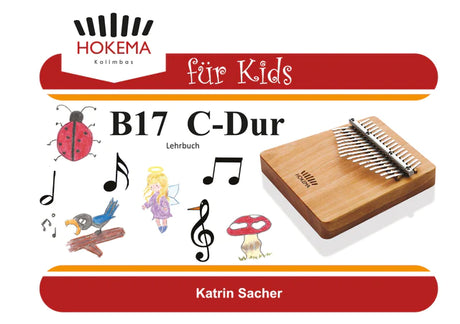
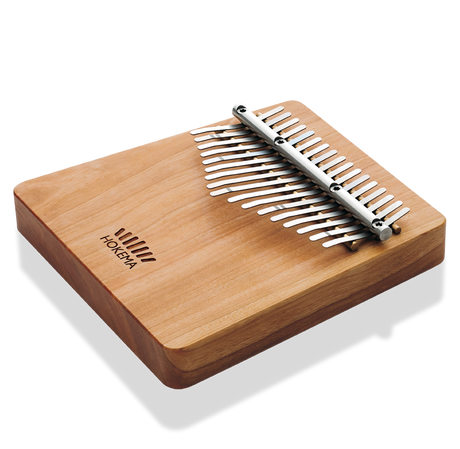
If you do not have a kalimba yet, or are looking for a second one, a 17-tine C major model is the safe choice because all the sheet music builds on it. A widely used entry model is the Hokema Kalimba B17 C-Dur. Many songbooks also cover the smaller 10-key variant, keeping you flexible.

04Your first songs step by step
Start with a single melody line, one tine after another, no chords. Short, familiar tunes made up of a few neighbouring tines are ideal for internalising the numbering.
Play slowly and evenly before picking up the tempo. Once your thumbs feel secure, add the first two-note chords, shown stacked in the tabs. A good songbook guides you in exactly this order: first orientation on the instrument, then simple melodies, then accompaniment. Many current books also link to listening and play-along videos via QR codes so you can match tempo and rhythm directly.
05Songbooks and method books to get started
To begin, a book that explains the tablature from scratch and starts with simple songs pays off. Compact and affordable, Kalimba - Schnell und einfach lernen (+QR-Codes) für Kalimbas mit 17 und 10 Zungen and Kalimba Songbook für Kalimbas mit 17 und 10 Zungen both suit kalimbas with 17 and 10 tines and include many well-known melodies.
For more systematic, long-term learning, detailed method books are the better choice: Das Große Lehrbuch für Kalimba (17 Töne, C-Dur) - Conny Sommer and Garantiert Kalimba lernen (+CD) für Kalimba mit 17 Tönen in C-Dur are written specifically for the 17-key C major kalimba and take you from your first note to multi-part pieces. For younger players, Lehrbuch für Kids - Kalimba B17 (orange) is a child-friendly book. You will find an overview of all the relevant titles in the Kalimba - Noten collection.


Kalimba sheet music makes getting started easy: follow the numbers, start on the 17-key C major kalimba, and you often play a song on the very first day. With the right songbook, the path runs from your first melody to multi-part pieces.
Frequently asked questions
Do I need to read music to play the kalimba?
What do the numbers in kalimba sheet music mean?
Which kalimba do I need for the common songbooks?
How do I play chords from the tablature?
Is kalimba sheet music suitable for children too?
Ready for your first songs?
Browse kalimba sheet music and songbooks for beginners, or find the matching 17-key kalimba.
View kalimba sheet musicDiscover kalimbasPassende Produkte
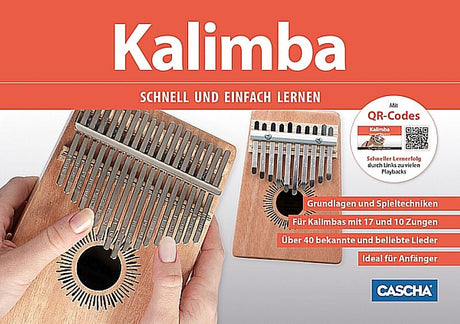
Kalimba - Learn quickly and easily (+QR codes) for Kalimbas with 17 and 10 tongues
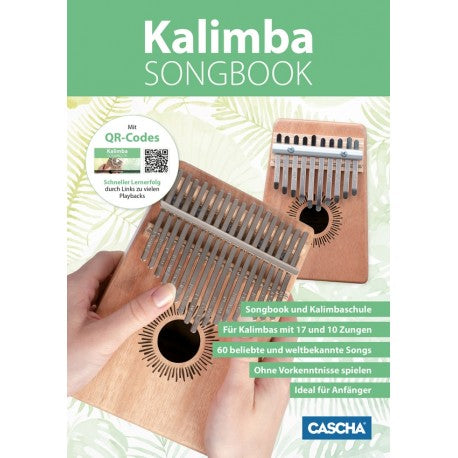
Kalimba Songbook for Kalimbas with 17 and 10 tongues
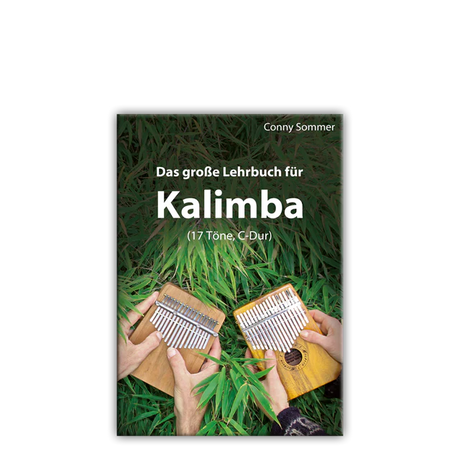
The Great Textbook for Kalimba (17 Tones, C Major) - Conny Sommer
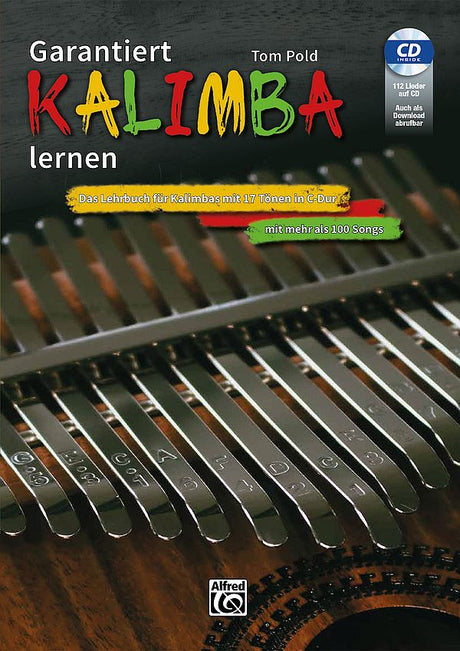
Guaranteed to learn Kalimba (+CD) for Kalimba with 17 tones in C major