

A silent piano is not a digital piano but a real acoustic piano with hammer action and strings that can be muted at the touch of a button. By day you play it normally through the soundboard; at night you practise silently on headphones. That is exactly what makes it appealing for a rented flat, a family home or late practice sessions.
Alongside it sits the related TransAcoustic system, which creates the sound in a different way. This article explains how both technologies work, how they differ, and which system suits which living situation.

Play acoustic, practise silently on headphones
Ideal for: Practising at sensitive hours in rented or multi-family homes, when quiet is essential
See all Klaviere →The soundboard itself becomes the speaker
Ideal for: Keeping the natural wood tone and simply turning the volume down steplessly
See all Klaviere →01How a Silent system works
A Silent piano is first and foremost a full acoustic piano. When the system is switched on, a hammer-stop rail moves in between the hammers and the strings: the hammers are caught just before they reach the strings, and the piano stays mechanically silent. At the same time, optical sensors register which key is played and how fast, then generate a digital piano sound from high-quality samples, which you hear through headphones.
You therefore keep playing the real hammer action with the familiar touch and feel; only the sound of the strings is removed. Yamaha calls its system SC3 or SH3 depending on the piano model, while Kawai calls the comparable technology ATX. For the neighbours, your practice stays inaudible.


02How TransAcoustic draws the sound from the wood
The TransAcoustic system takes a different route. Instead of a separate speaker cabinet, transducers set the piano's own soundboard vibrating. The sound therefore comes from the same wood that carries the acoustic tone, so it sounds natural and present in the room.
The practical benefit: you can turn the volume down steplessly without relying on headphones. Late in the evening you simply lower the level rather than muting the piano entirely. To practise in complete silence, you plug in headphones as well. Yamaha labels this system TC3 or TA3 depending on the model.
03Silent or TransAcoustic: the difference at a glance
Both systems sit inside a real acoustic piano and let you play quietly at night. The core difference is how the quiet sound is produced: Silent delivers it only through headphones and mutes the strings completely. TransAcoustic lets the soundboard itself sound and turns down steplessly, with a headphone option on top.
| Feature | Silent system | TransAcoustic |
|---|---|---|
| Quiet sound via | headphones | soundboard (transducers) + optional headphones |
| Acoustic tone can be muted | yes, fully silent | yes, stepless down to very quiet |
| Own speaker cabinet | no | no, the wood itself sounds |
| Yamaha designation | SC3 / SH3 | TC3 / TA3 |
| Ideal for | silent practice on headphones | natural tone, just turned down |
04Who it is worth it for
In a rented flat or a multi-family home, worry about the neighbours is often the very reason an acoustic piano is never bought in the first place. A Silent system solves that: a real piano by day, headphones in the evening, with nothing audible in the stairwell.
Families with practising children benefit twice over, because playing stays possible even at bedtime without waking the household. Anyone who values the natural wood tone and only wants to play more gently in the evening is well served by TransAcoustic, since the soundboard keeps sounding. In both cases you get a real acoustic piano, an investment for many years, not the compromise of a purely digital piano.
05Which pianos come with Silent or TransAcoustic
The systems can be combined across all classes. With Yamaha, the range starts at the robust B series and reaches through the U series to the premium YUS line. The difference shows clearly within one model family: the Yamaha B30 Klavier schwarz poliert mit SC3 Silent System comes with the Silent system, while the identical Yamaha B30 Klavier schwarz poliert mit TC3 TransAcoustic offers the same piano with TransAcoustic. A class higher you find the Yamaha YUS 1 Klavier schwarz poliert mit SH3 Silent System with Silent system and the Yamaha YUS 1 Klavier schwarz poliert mit TC3 Transacoustic System with TransAcoustic.
If you prefer Kawai, the Silent technology is there as the ATX system, for example in the Kawai K-500 Klavier schwarz poliert mit ATX4 Silent System. You can see which models are currently available at any time in the Klaviere overview.
Silent and TransAcoustic turn an acoustic piano into an instrument that adapts to any living situation: full sound by day, silent or very quiet at night. Which system is right comes down to one question: do you want to practise silently on headphones, or keep the natural wood tone and simply play more quietly?
Frequently asked questions
Is a Silent piano a digital piano?
What is the difference between Silent and TransAcoustic?
Can I also play the piano normally in acoustic mode?
Is it suitable for a rented flat?
Can an existing piano be retrofitted?
Find the right piano with Silent or TransAcoustic
Compare the currently available Yamaha and Kawai models in our piano overview.
See all pianosYamaha B30 with Silent systemPassende Produkte


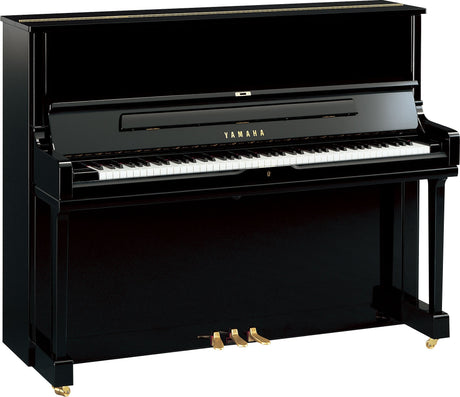

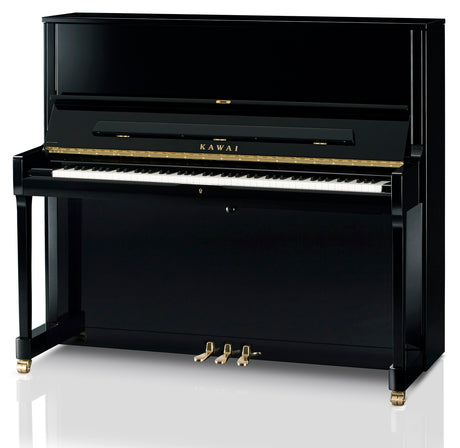
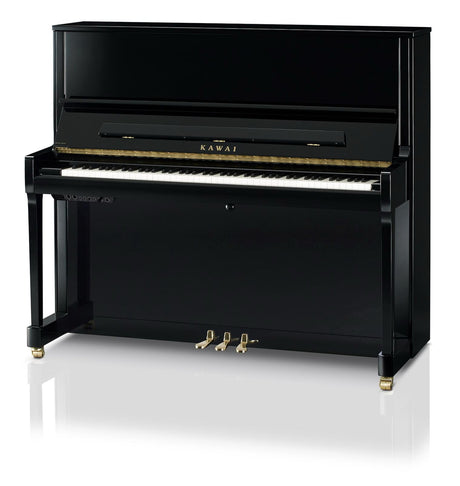
Yamaha YUS 1 Upright Piano Polished Ebony with TC3 Transacoustic System