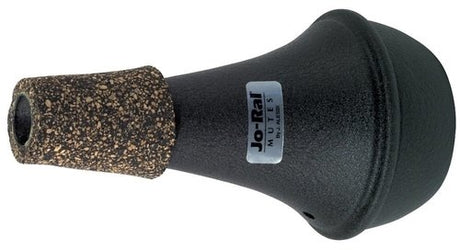
A trumpet mute is not just a volume control. Most mutes change the tone colour of the trumpet first and the volume only as a side effect. A player who needs a sharp, cutting tone in the orchestra reaches for a different model than someone after the soft jazz sound of the big band era.
In this guide we sort the main mute types by their sound, explain the difference between tone mutes and pure practice mutes, and show which material gives which character. That way you can find the trumpet mute that fits your purpose.
01Tone colour or quiet practice: two different worlds
Before looking at individual models, a clear distinction helps. There are two groups of mutes that are often confused.
The first group are tone mutes such as Straight, Cup, Harmon, Plunger or Bucket. They are made to create a specific tone colour on stage or in the orchestra. They do make the trumpet a little quieter, but their real purpose is the characteristic sound.
The second group are practice mutes, also called warm-up mutes. Their goal is the opposite: maximum volume reduction so you can play in an apartment or hotel without disturbing the neighbours. They are not meant for performance, because they change the sound strongly and add air resistance. We keep these two worlds clearly separate below.
02Straight mute: bright, cutting, orchestra-ready
The straight mute is the classic and probably the most used mute in the orchestra. Its cone shape creates a focused, bright and cutting sound that carries well across the whole ensemble. In orchestral scores the instruction con sordino usually refers to this type.
It is also used in jazz when a metallic, brilliant tone is wanted. The material matters a great deal: aluminium sounds brighter and more brilliant, copper warmer and rounder. A proven example is the Jo-Ral Dämpfer Straight für Trompete.


03Cup and Bucket: the soft voices
For a rounder, more muffled sound, the cup mute is the answer. It looks like a straight mute with an added cup-shaped section. This cup catches some of the sharp highs and gives a soft, velvety and slightly veiled tone. In big band writing the cup mute creates that gentle bed of brass.
Softer and hollower still is the bucket mute. It clips onto the front of the bell and fills it with sound-absorbing material. The result is a very soft, almost padded sound with subdued highs, ideal for quiet, atmospheric passages. One example from our range is the O-RAL DÄMPFER BUCKET (VELVET) für TROMPETE.

04Harmon and Plunger: the jazz sound
The harmon mute, also called the wah-wah mute, is the essence of the intimate jazz sound. It seals the bell completely with a cork ring and consists of a bulbous body and a pull-out stem. With the stem in, it sounds metallic and buzzing; without the stem you get that dark, breathy tone associated with Miles Davis. Moving the hand in front of the opening shapes the famous wah effect. In our range you will find the Harmon Dämpfer Wow-Wow für Trompete.
The plunger creates the wah effect with no fixed seat at all: it is essentially a rubber cup the player holds in the free hand and moves closer to or further from the bell. This produces speaking, vocal-like phrases familiar from the classic big band repertoire.
05Material and intonation: what to watch for
The material of a mute clearly shapes its tone. Aluminium gives a bright, brilliant sound, copper a warmer, rounder one, and fibre or cardboard mutes sound softer and more covered. Many straight mutes are offered in several material versions on purpose, so you can choose the tone colour.
Intonation matters too. Every mute changes the air resistance and therefore the tuning of the trumpet slightly. Good models are voiced so they push or pull as little as possible; cheap ones can throw individual notes noticeably out of tune. When using a mute for the first time, spend a few minutes with a tuner and get used to the changed back-pressure. Our Trompeten - Dämpfer gives an overview of all models.
06Practice mute: play quietly whenever you want
The practice mute works in a completely different way. Its goal is not a beautiful sound on stage but a strong reduction in volume so you can play late in the evening or in a hotel room. Modern models cut the trumpet down many times over without driving the air resistance too high.
They are not suited to performance, because the sound is heavily altered and the playing feel changes too. For daily practice, though, they are unbeatably practical. Suitable models are the WHIZZPER Übungsdämpfer Trompete Warm Up Mute and the Jo-Ral Dämpfer Practice Trompete. To keep your trumpet in good shape alongside practice, the care and cleaning accessories in our trumpet section will help.


The right choice starts with the question of purpose. For a specific tone colour on stage, the path runs through Straight, Cup, Harmon, Plunger or Bucket. For quiet practice, a dedicated practice mute is the right answer. Many trumpet players end up carrying both.
Frequently asked questions
Does every trumpet mute make the trumpet quiet?
Which mute creates the typical jazz sound?
Does a mute affect intonation?
Which material should I choose for a straight mute?
Can I perform with a practice mute?
Find the right trumpet mute
From the straight mute to the practice mute: browse the models and pick the mute that matches your sound and your purpose.
All trumpet mutesHarmon wah-wah mutePassende Produkte
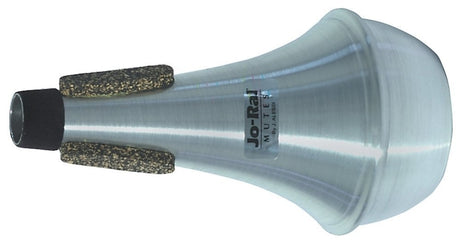
Jo-Ral Mute Straight for trumpet
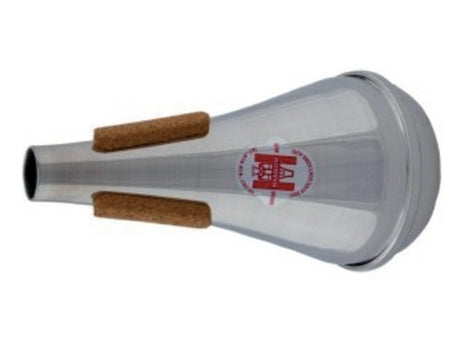
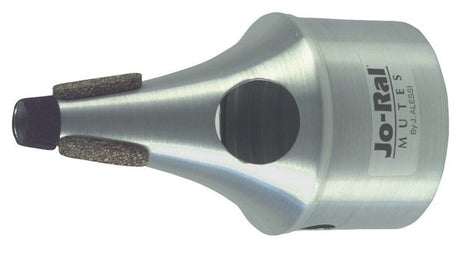
O-RAL MUTE BUCKET (VELVET) for TRUMPET
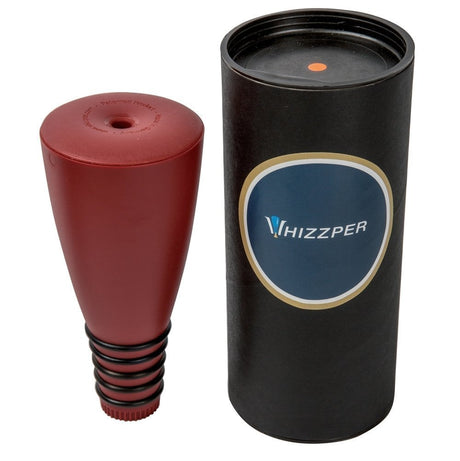
WHIZZPER Practice Mute Trumpet Warm Up Mute